Are you struggling to secure your roof safely and efficiently? Getting better fastening using a roof bracket or staging can make all the difference in your roofing projects.
Whether you’re a DIY enthusiast or a professional, the right technique not only boosts your safety but also speeds up your work. You’ll discover simple, practical tips to improve your fastening skills and ensure your roof brackets hold firm every time.
Keep reading to learn how to protect yourself and get the job done right—fast.
Choosing The Right Roof Bracket
Using roof brackets can improve safety and speed when working on roofs. Picking the right bracket is important for a strong hold.
Good brackets fit your roof type and hold enough weight. This guide helps you choose the best one for your needs.
Material Considerations
Roof brackets come in different materials like steel and aluminum. Each has benefits for strength and weather resistance.
Steel brackets are strong but heavier. Aluminum brackets are lighter and resist rust better.
- Steel: strong, heavy, may rust
- Aluminum: light, rust-resistant, less strong
- Choose based on roof conditions and work length
Weight Capacity
Check how much weight a roof bracket can hold. It should support your tools and body safely.
Look for brackets with clear weight limits. Higher capacity means better safety, but may add weight.
- Consider your weight plus tool load
- Choose brackets rated above your total weight
- Safety is key to preventing accidents
Compatibility With Roof Type
Roof brackets should match your roof’s shape and material. Different roofs need different bracket styles.
Flat roofs need different brackets than steep or metal roofs. Use brackets designed for your roof type.
- Steep roofs: brackets with a strong grip
- Flat roofs: brackets that lie flat and stable
- Metal roofs: brackets with padding to avoid damage
Proper Installation Techniques
Using roof brackets and staging correctly helps workers stay safe. Proper installation makes the work faster and more secure. Follow the key steps to ensure good fastening.
This guide covers how to secure brackets, pick fasteners, and maintain stability on the roof.
Securing To Roof Rafters
Attach roof brackets directly to the rafters. Rafters hold the most weight and provide a strong base. Avoid fixing brackets to plywood or sheathing only.
- Locate rafters using a stud finder or by measuring.
- Mark the rafter positions clearly before installation.
- Align the bracket base so it sits flat against the rafter.
- Use a level to ensure the bracket is horizontal.
- Drive fasteners straight into the rafter for a tight hold.
Using The Correct Fasteners
Fasteners must be strong and long enough to hold the bracket safely. Use nails or screws made for roofing work. Avoid using short or thin fasteners that can fail.
| Fastener Type | Length | Material | Use |
| Roofing nails | 3 inches | Galvanized steel | Good for wood rafters |
| Deck screws | 3 to 4 inches | Stainless steel | Provides a strong grip and resists rust |
| Lag bolts | 4 inches or longer | Galvanized or stainless steel | For heavy-duty fastening |
Ensuring Stability And Safety
Check brackets for firm attachment. They should not wobble or move. Use extra fasteners if needed. Safety gear and proper positioning also matter.
- Inspect brackets after installation for any looseness.
- Wear fall protection gear at all times.
- Place the staging on brackets evenly to spread the weight.
- Do not overload brackets beyond their rated capacity.
- Regularly re-check fasteners during long projects.
Optimal Placement For Stability
Using roof brackets or staging correctly improves fastening strength. Placing them in the right spots keeps the structure safe and stable. This guide covers key points for proper placement.
Focus on spacing, roof pitch, and alignment. These factors ensure the brackets hold tight and support well during work.
Spacing Between Brackets
Place brackets at proper distances to spread the weight evenly. Too close wastes materials. Too far reduces support and risks slipping.
- Space brackets about 4 to 6 feet apart on flat roofs.
- Use shorter spacing on steep roofs for extra security.
- Check local building codes for spacing rules.
- Keep the brackets level to avoid uneven pressure.
Adjusting For Roof Pitch
Roof pitch changes how brackets fit and hold. Steeper roofs need careful angle adjustments for safety and balance.
| Roof Pitch (Degrees) | Bracket Angle Setting | Recommended Spacing |
| 0° – 15° | Flat or slight tilt | 6 feet |
| 16° – 30° | Adjust the bracket to match the pitch | 5 feet |
| 31° – 45° | Set the bracket firmly and secure the extra | 4 feet |
| 46° and above | Use special brackets and close spacing | 3 feet or less |
Aligning With Roof Structure
Brackets must line up with roof supports like rafters or trusses. This alignment adds strength and stops damage to the roof.
- Locate rafters before fixing brackets.
- Use a stud finder or tap method to find supports.
- Fix brackets directly over the strongest points.
- Avoid placing brackets where the roof sheathing is weak.
Safety Precautions
Using roof brackets or staging helps workers stay safe on sloped roofs. Following safety rules reduces accidents and injuries.
Always prepare and check your equipment before starting work. Safety comes first when fastening roof brackets or staging.
Wearing Protective Gear
Wear protective gear to keep yourself safe from falls and injuries. Helmets, gloves, and proper shoes help protect you on the roof.
Use non-slip shoes to avoid slipping on the roof surface. Gloves improve your grip and protect your hands from sharp edges.
- Helmet to protect your head
- Non-slip shoes for better footing
- Gloves to protect your hands
- Long sleeves to avoid cuts
Using Safety Lines
Attach safety lines to secure points on the roof. These lines stop you from falling if you lose balance.
Make sure safety lines are strong and fastened properly. Always stay connected while working on roof brackets or staging.
- Check anchor points before attaching lines
- Use ropes with the right strength rating
- Wear a harness connected to the safety line
- Inspect lines for damage regularly
Inspecting Equipment Regularly
Check your roof brackets and staging before each use. Look for cracks, rust, or loose parts that may cause failure.
Inspect safety gear like helmets and harnesses often. Replace any damaged or worn equipment right away.
- Check brackets for cracks or bends
- Ensure bolts and fasteners are tight
- Look over the safety harness and lines
- Replace the damaged gear immediately
Maintaining Your Roof Bracket System
Keeping your roof bracket system in good shape helps it hold better and last longer. Regular care prevents accidents and saves money.
Simple maintenance steps make sure your roof brackets work safely every time you use them.
Cleaning And Lubrication
Dirt and rust can stop roof brackets from fitting well. Clean them often to remove dust and debris.
Use light oil or grease on moving parts to keep them smooth. This helps the brackets fasten tightly and work easily.
- Wipe the brackets with a dry cloth after use
- Use a brush to clear tight spaces
- Apply lubricant to the screws and joints
- Remove excess oil to avoid dirt build-up
Checking For Wear And Tear
Look at your roof brackets often to find cracks or bends early. Damage can cause poor fastening and danger.
Check all parts, including clamps, bolts, and supports. Make sure nothing is loose or broken.
- Inspect metal parts for rust or cracks
- Check bolts and nuts for tightness
- Look for signs of bending or warping
- Test moving parts for smooth action
Replacing Damaged Parts
Replace any damaged or worn parts right away. Using broken parts can cause accidents and weak fastening.
Use parts that match your roof bracket model. This keeps the system strong and safe.
- Remove old or broken clamps and bolts
- Fit new parts securely and check tightness
- Use manufacturer-recommended parts only
- Test the whole system after replacement
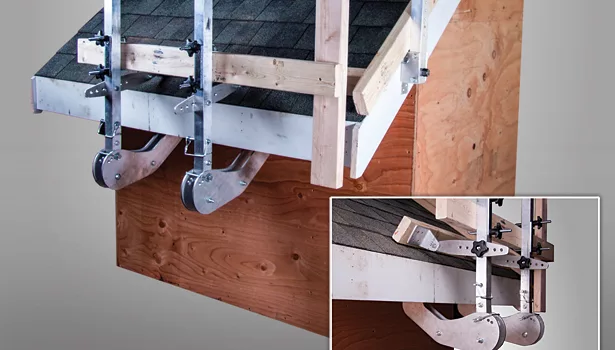
Credit: www.roofingcontractor.com
Common Mistakes To Avoid
Using roof brackets or staging helps workers stay safe on sloped roofs. Getting the fastening right is very important. Many accidents happen because of simple mistakes.
Knowing the common errors can save time and keep you safe. Avoid these mistakes to get better fastening results.
Overloading Brackets
One common mistake is putting too much weight on roof brackets. Brackets have weight limits. Exceeding these limits can cause them to fail.
Too many tools or materials on the staging can overload the brackets. This puts workers at risk of falling.
- Check the weight capacity of each bracket before use
- Distribute weight evenly across the staging
- Remove extra materials that are not needed
- Use more brackets if the load is heavy
Improper Fastener Use
Using the wrong fasteners can cause the roof bracket to come loose. Fasteners must match the roof type and bracket design.
Fasteners that are too short or weak will not hold the bracket securely. Nails or screws that are too long may damage the roof.
- Use fasteners recommended by the bracket manufacturer
- Choose the right length and type for your roof material
- Drive fasteners fully, but avoid over-tightening
- Inspect fasteners regularly for signs of wear or loosening
Ignoring Manufacturer Guidelines
Many problems happen when workers ignore the instructions from bracket makers. Each bracket has rules for placement and use.
Not following these rules may reduce safety and cause bracket failure. Always read and follow the guidelines carefully.
- Read the manual before installing brackets
- Follow the recommended spacing between brackets
- Use brackets only for the intended roof types
- Do not modify brackets or use them for other purposes
Expert Tips For Enhanced Fastening
Using roof brackets or staging can make roofing work safer and easier. Fastening these supports correctly is very important.
Good fastening keeps the brackets stable and prevents accidents. Follow these tips to improve your fastening technique.
Utilizing Additional Supports
Adding extra supports helps spread the load on the roof. It reduces stress on one spot and makes the setup stronger.
Use braces or extra brackets where the roof is weak or steep. This will keep the staging steady and safer.
- Place supports near edges for better balance
- Use cross braces to prevent side movement
- Add supports if the roof surface is uneven
Choosing High-quality Materials
Strong materials last longer and hold weight better. Always pick brackets and fasteners made from tough metals.
Check for rust resistance and solid welds. These features keep the materials safe from damage and failure.
- Use galvanized steel for durability
- Choose screws with corrosion protection
- Inspect brackets before use to ensure no cracks
Regular Maintenance Checks
Check your roof brackets and staging often. Look for loose fasteners or worn parts that need fixing.
Fix problems quickly to keep your setup safe. Regular care prevents accidents and saves money on repairs.
- Tighten screws and bolts regularly
- Replace damaged brackets immediately
- Clean metal parts to avoid rust buildup
Frequently Asked Questions
What Is The Purpose Of Using A Roof Bracket?
A roof bracket provides stable support for workers on sloped roofs. It enhances safety and improves fastening accuracy during roofing tasks.
How Do Roof Brackets Improve Fastening Quality?
Roof brackets stabilize your position, allowing precise nail or screw placement. This reduces mistakes and ensures stronger, longer-lasting roof attachments.
Can Staging Increase Roofing Work Efficiency?
Yes, staging offers a secure platform to hold tools and materials. This minimizes movement, speeds up tasks, and reduces fatigue during roofing projects.
Are Roof Brackets Suitable For All Roof Types?
Roof brackets work best on pitched roofs with stable rafters. They may not be ideal for flat roofs or fragile roofing materials.
Conclusion
Using roof brackets and staging improves safety and work quality. Secure fastening keeps tools and materials stable on the roof. It also helps workers move easily without slipping. Always check brackets before starting any project to avoid accidents. Proper use saves time and reduces stress.
Small steps make a big difference in roofing work. Follow these tips to build with confidence and care. Safety and stability go hand in hand for better results. Keep your roof work steady and safe every time.