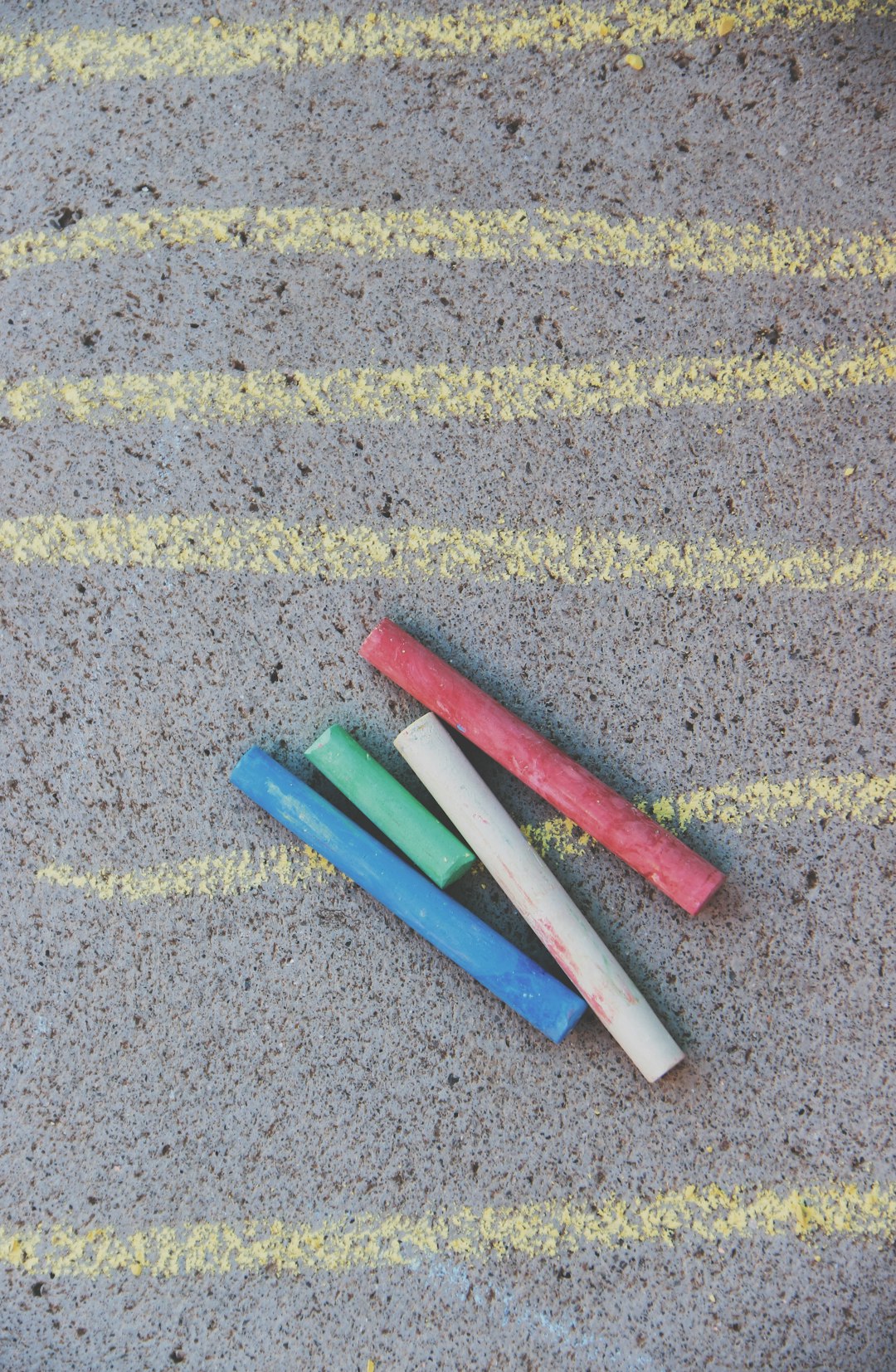
Are you tired of messy, uneven lines ruining your projects? Getting a better care schedule using a chalk line can change the way you work completely.
Imagine saving time, reducing mistakes, and making every cut or measurement perfectly straight. You’ll discover simple tricks and easy steps to use a chalk line like a pro. Stick with me, and you’ll never struggle with your care schedule again.
Ready to make your work cleaner and faster? Let’s dive in!
Benefits Of A Structured Care Schedule
Using a chalk line to create a care schedule helps keep tasks clear and organized. It ensures you do the right care at the right time.
A structured care schedule reduces mistakes and saves time. It helps track progress and improves overall care quality.
Improves Time Management
A chalk line schedule shows when each care task should happen. This helps avoid rushing or missing steps.
You can plan your day better and finish care tasks on time. This keeps everything on track.
Enhances Task Clarity
Using chalk lines makes care tasks clear and easy to follow. Each task gets its own space and time.
This clarity helps reduce confusion and errors. Everyone knows exactly what to do and when.
Supports Consistency
A structured schedule helps keep care consistent every day. This is important for good results and progress.
Chalk lines act as a visual reminder to keep follow-up care steady and on time.
Makes Tracking Easy
With a chalk line schedule, you can mark completed care tasks. This helps track what is done and what is left.
Easy tracking helps spot problems early and adjust the care plan if needed.
Reduces Stress
A clear schedule lowers stress by showing what to do and when. It stops last-minute rushing.
Knowing the plan helps caregivers feel more confident and in control.

Credit: www.familyhandyman.com
Introduction To Chalk Line Method
The chalk line method helps create straight and clear lines for better care schedules. It uses a simple tool called a chalk line reel.
This method makes marking and measuring easier. It improves accuracy and saves time during the scheduling process.
What Is A Chalk Line?
A chalk line is a tool with a string coated in chalk powder. It snaps onto surfaces to leave a straight chalk mark.
It helps mark long, straight lines quickly. This is useful for planning and organizing care tasks.
How To Use A Chalk Line
First, pull the string tight between two points. Then snap it sharply against the surface. The chalk leaves a straight line.
This simple action shows clear boundaries or areas. It helps in setting schedules and care zones more precisely.
Benefits Of Using Chalk Line
- Creates straight, visible lines fast
- Helps organize care spaces clearly
- Reduces errors in marking zones
- Saves time on planning tasks
- Works on many surfaces like walls and floors
These benefits improve the way care schedules are planned and followed. Clear lines make tasks easier to understand and complete.
Where To Use Chalk Lines In Care Scheduling
Chalk lines work well in hospitals, nursing homes, and other care settings. They mark areas for different care activities.
- Mark patient zones for specific care
- Define cleaning schedules by area
- Organize equipment placement spots
- Plan walking paths for staff
Using chalk lines helps staff see where to focus their tasks. It leads to better care and fewer mistakes.
Setting Clear Objectives
Using a chalk line helps you plan your care schedule better. Clear objectives guide your work and save time.
Setting goals makes it easier to track progress and avoid mistakes. It keeps your care tasks organized and on time.
Define What Needs To Be Done
Write down all care tasks you must complete. Use the chalk line to mark when each task starts and ends.
This clear list helps you see what is most important. It stops you from forgetting any care duties.
Set Realistic Time Frames
Decide how long each care task will take. Mark these times along your chalk line to plan your day well.
Realistic timing avoids rushing and missing steps. It helps keep your care schedule smooth and steady.
Prioritize Important Tasks
Use the chalk line to highlight urgent or important care tasks. Focus on these first to keep care quality high.
- Mark high priority tasks in bright chalk colors
- Schedule these tasks at times when you have more energy
- Leave less urgent tasks for later in the day
Review And Adjust Objectives Regularly
Check your chalk line plan daily. Change objectives if needed to fit new care needs or challenges.
Regular review keeps your care schedule flexible. It helps you handle unexpected tasks without stress.
Identifying Key Care Tasks
Creating a care schedule helps manage daily tasks clearly. It ensures important duties are not missed.
Using a chalk line can help you organize and see your care tasks better. It provides a visual guide for planning.
List All Care Activities
Start by writing down every task needed for care. This includes feeding, cleaning, medication, and checkups.
- Feeding times and amounts
- Cleaning and hygiene routines
- Medication schedules
- Exercise or activity periods
- Health monitoring tasks
Prioritize Tasks By Importance
Not all tasks have the same urgency. Mark tasks that need immediate attention or daily care.
| Task | Frequency | Priority |
| Medication | Daily | High |
| Feeding | Twice a Day | High |
| Exercise | Daily | Medium |
| Cleaning | Weekly | Medium |
| Health Check | Monthly | Low |
Use Chalk Line For Visual Planning
Draw a chalk line on a board or wall to separate tasks by time or type. This method shows what to do first.
Example of chalk line use:
- Divide the line into hours or days
- Place task cards or notes along the line
- Move tasks if plans change
Prioritizing Responsibilities
Using a chalk line can help you create a clear care schedule. It keeps tasks visible and organized. This makes it easier to know what needs attention first.
Prioritizing your responsibilities ensures you focus on the most important tasks. This improves the quality of care and saves time.
List Your Tasks Clearly
Write down all your daily care tasks. Use the chalk line to mark each task in order of importance. This helps you see everything at a glance.
- Include tasks like medication, feeding, and cleaning
- Use different chalk colors for urgent and regular tasks
- Update the list as tasks change
Set Time Limits For Each Task
Assign a time slot for every task on your chalk line. This stops tasks from taking too long. It also keeps your day balanced.
Stick to these times to avoid delays. This way, you will finish important tasks first.
Review And Adjust Daily
Check your chalk line schedule at the start and end of each day. This lets you see what you finished and what needs more focus tomorrow.
Change the order of tasks as needed. This keeps your care routine flexible and efficient.
Use Visual Cues For Priority
Mark high-priority tasks with bold lines or bright chalk colors. This draws attention to the most urgent jobs on your care schedule.
- Red chalk for urgent tasks
- Yellow chalk for important but less urgent
- White chalk for routine duties
Keep Your Chalk Line In A Visible Spot
Place your chalk line where you can see it easily. This helps remind you of your priorities throughout the day.
A visible schedule reduces the chance of forgetting tasks or mixing up priorities.
Creating A Visual Timeline
Using a chalk line helps you create a clear timeline for better care scheduling. It shows tasks in order and keeps everything organized.
A visual timeline lets you see all steps at once. This reduces mistakes and helps you manage time well.
Marking Key Dates And Tasks
Start by marking important dates on the chalk line. Write the task next to each date. This shows what needs to be done on each day.
Using Colors For Different Tasks
Use different chalk colors to separate task types. For example, use blue for appointments and red for medication times. This helps you spot task categories quickly.
Breaking Down Tasks Into Steps
Divide big tasks into smaller steps on the timeline. This shows progress clearly and makes tasks easier to finish.
- Write each step in order
- Use arrows to show task flow
- Leave space for notes or changes
Checking Progress Regularly
Mark completed tasks on the chalk line. This helps track what is done and what still needs work.
| Task | Due Date | Status |
| Doctor Appointment | April 10 | Completed |
| Medication Refill | April 12 | Pending |
| Physical Therapy | April 15 | Scheduled |
Incorporating Flexibility
Using a chalk line helps you plan your care schedule clearly. Adding flexibility makes the schedule easier to follow. It lets you adjust tasks as needed.
Flexible schedules reduce stress and improve care quality. You can handle changes without losing track of important jobs.
Plan For Unexpected Changes
Care plans often face sudden changes. A chalk line helps you mark fixed tasks and leaves space for new ones. This way, you can add or move jobs without confusion.
Always leave some free slots on your chalk line schedule. These slots act as buffers for emergencies or extra care needs.
Use Color Codes For Easy Adjustments
Color coding on your chalk line makes changes clear and simple. Use different chalk colors for fixed, flexible, and urgent tasks. This helps everyone understand the schedule at a glance.
- Blue for regular care tasks
- Green for flexible or optional tasks
- Red for urgent or last-minute changes
Review And Update Daily
Check your chalk line schedule every day. Update tasks as needed to stay on track. Daily reviews help spot conflicts and fix them quickly.
Adjusting your schedule daily keeps care smooth. It lets you respond to changes without missing important duties.
Involve Everyone In Scheduling
Let all caregivers use the chalk line. When everyone adds their input, the schedule stays flexible and accurate. Teamwork helps cover all care needs.
Encourage caregivers to mark their tasks and changes. This keeps the schedule clear for everyone to follow.
Tracking Progress Regularly
Tracking progress is key to improving your care schedule. Chalk lines help you see daily tasks clearly.
By checking your schedule often, you find what works and what needs change.
Set Clear Daily Goals
Use chalk lines to mark daily goals on your care schedule. Clear goals guide your tasks each day.
Check if you meet these goals at the end of the day to track progress.
Update Chalk Lines Often
Keep your chalk lines fresh by updating them daily. This keeps your schedule accurate and useful.
Changing lines shows what tasks are done and what still needs attention.
Use Color Codes
Assign different colors to tasks on your chalk line. Colors make it easy to see progress at a glance.
- Green for completed tasks
- Yellow for tasks in progress
- Red for pending tasks
Review And Adjust Weekly
Look at your chalk line schedule every week. This helps spot patterns and improve your care routine.
Make changes to your schedule based on what the chalk lines show you.
Adjusting The Schedule As Needed
Using a chalk line helps keep a care schedule clear and visible. It makes tracking tasks easier and helps avoid confusion. Sometimes, you need to change the schedule to fit new needs.
Adjusting the schedule keeps care timely and effective. You can update it to match changes in routines or unexpected events. This way, everyone stays informed and tasks get done.
Check The Current Schedule Regularly
Look at the chalk line schedule each day. Notice if tasks are done on time or missed. This helps find parts that need change. Regular checks keep the schedule accurate and useful.
Make Changes Based On Feedback
Ask care team members for their input about the schedule. They can say what works and what does not. Use their feedback to improve the timing and order of tasks.
- Talk with staff and caregivers
- Note any missed or late tasks
- Identify busy or free times
- Adjust task times to fit better
Use The Chalk Line To Mark Changes
When changing the schedule, update the chalk line clearly. Erase old times and write new ones. Use different colors or symbols for easy reading. This helps everyone see the new plan.
- Blue:New task time
- Red:Task moved or canceled
- Green:Completed tasks
Keep Everyone Informed
Tell all caregivers about the schedule changes. Use meetings or messages to share updates. Make sure everyone knows the new chalk line details. Clear communication prevents mistakes.
| Action | How to Do It |
| Review Schedule | Look at chalk line daily |
| Collect Feedback | Talk with care team |
| Update Chalk Line | Erase and rewrite clearly |
| Share Changes | Inform all caregivers |
Credit: www.itcmi.org
Tools To Enhance Chalk Line Efficiency
Using a chalk line helps you make straight lines quickly and easily. The right tools make the chalk line work better.
These tools save time and give better results. They help keep your chalk line clean and sharp.
Chalk Line Reel With Adjustable Tension
An adjustable tension reel keeps the chalk line tight. It stops the line from sagging or twisting.
You can set the tension to fit your project. It helps you draw a straight and clear line every time.
High-quality Chalk Powder
Good chalk powder makes bright lines that last longer. It also reduces dust and mess.
- Choose colors that contrast with your surface
- Use fine chalk for smooth lines
- Keep chalk dry to avoid clumping
Line Guides And Edge Clamps
Line guides and clamps hold the chalk line in place. They help you mark edges or corners easily.
These tools prevent the line from moving during marking. This gives you a more accurate and clean line.
Chalk Line Sharpeners
Sharpeners keep the chalk line sharp and clear. They remove old chalk build-up from the line.
Regular sharpening keeps your lines thin and easy to see. It also helps the chalk spread evenly.
Protective Storage Case
A storage case protects your chalk line tools from dirt and damage. It keeps chalk dry and reels untangled.
Using a case saves time by keeping everything organized. It also extends the life of your chalk line set.
Tips For Consistent Implementation
Using a chalk line helps create a clear care schedule. It keeps your tasks organized and easy to follow.
Consistency is key to making the chalk line method work well. Here are tips to keep your schedule on track.
Set Clear Markings For Each Task
Use the chalk line to mark each care task clearly. Write short labels that show what needs to be done.
Clear markings help you see your schedule at a glance. It reduces confusion and missed tasks.
Keep Your Chalk Line Visible
Place the chalk line in a spot you check often. This keeps your schedule fresh in your mind.
A visible chalk line reminds you to follow the care plan every day. It helps build strong habits.
Update The Schedule Regularly
Change the chalk line as your care needs change. Remove old tasks and add new ones on time.
Regular updates keep your care schedule accurate. This prevents missed or outdated care tasks.
Use Different Colors For Priority
Pick different chalk colors to show task priority. High priority tasks can use bright colors.
This makes it easy to see what needs urgent attention. Lower priority tasks can use lighter colors.
- Red for urgent tasks
- Blue for regular tasks
- Green for optional tasks
Set Reminders Alongside The Chalk Line
Use alarms or notes with your chalk line schedule. This helps you remember tasks at the right time.
Reminders support the chalk line and keep your care consistent. They reduce the chance of forgetting tasks.
Train Everyone Involved
Make sure all caregivers understand the chalk line system. Teach them how to read and update it properly.
Team training helps keep the care schedule consistent. Everyone works together to follow the plan well.
Credit: www.chicagobears.com
Success Stories And Testimonials
Many users have improved their care schedules by using Chalk Line. They share real results and helpful tips. These stories show how Chalk Line helps organize and track care tasks better.
Below are some success stories and testimonials from people who found Chalk Line useful. Their experiences highlight practical benefits and ease of use.
Organizing Daily Care Tasks
Sarah used Chalk Line to manage her elderly mother’s medication and appointments. She says it helped her remember every task without stress.
- Clear reminders for medications
- Easy to update schedule changes
- Shared access with family members
Improving Communication Among Caregivers
John’s care team used Chalk Line to keep track of patient visits and notes. This improved their teamwork and reduced missed tasks.
| Caregiver | Role | Benefit from Chalk Line |
|---|---|---|
| John | Coordinator | Better task overview |
| Emily | Nurse | Easy notes sharing |
| Mike | Home Aide | Clear schedule access |
Saving Time And Reducing Errors
Lisa found that Chalk Line helped her reduce errors in care routines. She now finishes tasks faster and feels more confident in her schedule.
- Set alerts for important tasks.
- Review the schedule daily.
- Use notes to record changes.
Frequently Asked Questions
What Is The Purpose Of A Chalk Line In Care Scheduling?
A chalk line helps create clear, visible guidelines for care tasks. It improves organization and ensures tasks are completed on time. Using a chalk line reduces confusion and enhances communication among caregivers, leading to better care delivery and schedule adherence.
How Does A Chalk Line Improve Care Task Accuracy?
A chalk line provides precise visual cues for task timing and sequence. It minimizes errors by clearly marking when and where care activities should occur. This clarity helps caregivers follow the schedule accurately, improving consistency and quality in patient care.
Can A Chalk Line Help Manage Multiple Care Schedules?
Yes, a chalk line can visually separate different care tasks and times. It helps caregivers quickly identify priorities and deadlines. This visual organization simplifies managing multiple schedules, reducing stress and increasing efficiency in care delivery.
What Materials Are Needed To Use A Chalk Line Effectively?
You need a chalk line reel with chalk powder, a flat surface, and a measuring tool. Ensure the chalk is visible and the surface is clean. Proper materials enhance the chalk line’s visibility and durability, aiding better schedule management.
Conclusion
Using a chalk line helps keep your care schedule clear and organized. It makes tasks easy to see and follow every day. You spend less time guessing what to do next. This simple tool helps you stay on track without stress.
Try it out and watch your routine improve step by step. Small changes bring big results in care planning. Keep it simple, stay consistent, and enjoy better care every day.