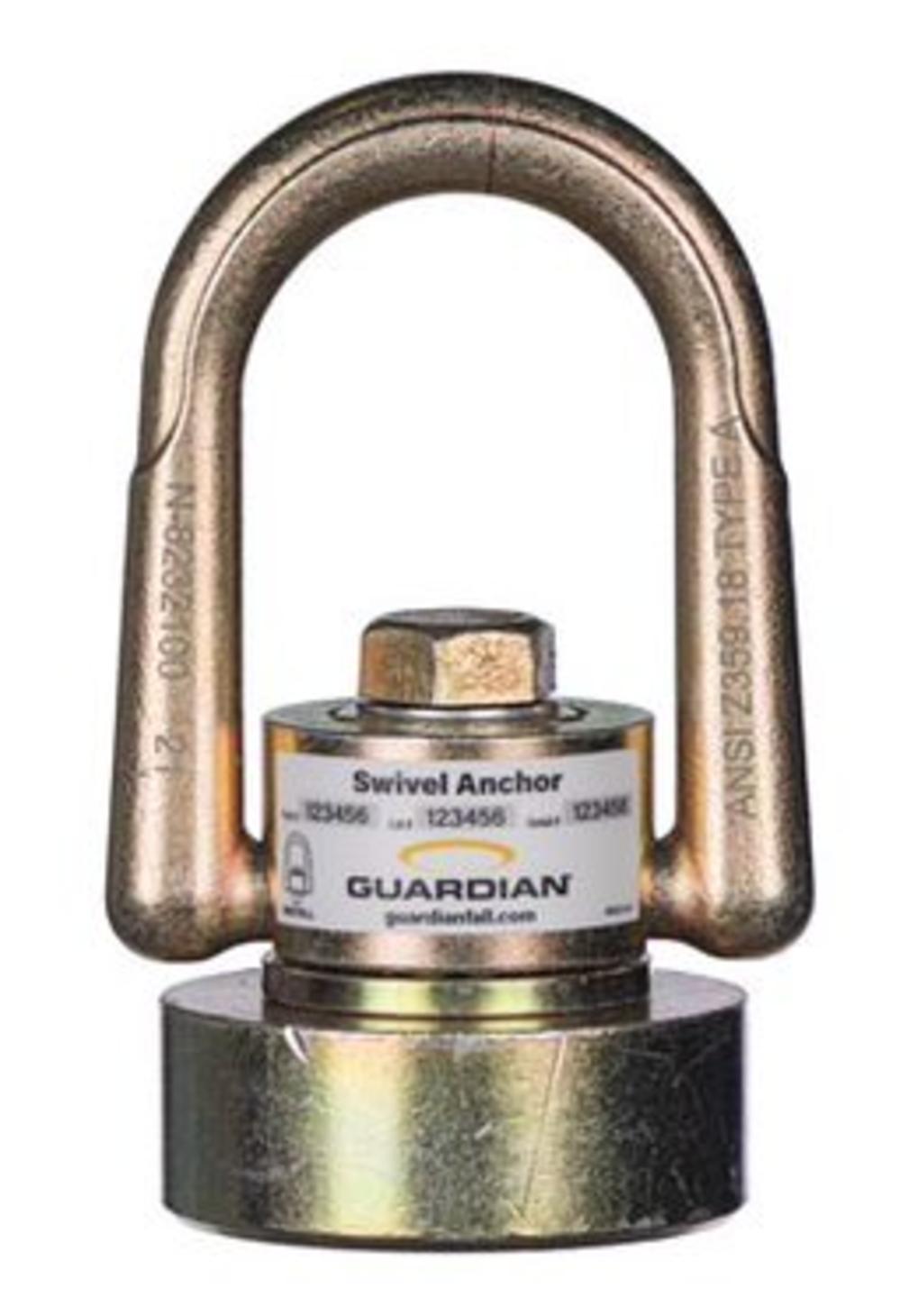
Choosing the right accessories for your roof bracket or staging can significantly impact your safety and efficiency on the job. You want gear that fits well, holds up under pressure, and keeps you steady while you work at heights.
However, with so many options available, how do you determine what’s best for your specific needs?
This guide will help you cut through the confusion and pick the perfect accessories to keep your roofing projects smooth and secure. Keep reading—you’re about to discover tips that can protect you and save you time.
Types Of Roof Brackets
Roof brackets are essential for safe and stable staging on sloped roofs. They hold the platform or planks that workers stand on. Choosing the right type helps keep work steady and secure.
The two main types of roof brackets are fixed and adjustable. Each has unique features suited for different roof shapes and tasks.
Fixed Roof Brackets
Fixed roof brackets have a set size and shape. They fit specific roof pitches or angles. These brackets are simple to use and strong for regular jobs.
- Best for roofs with a uniform slope
- Easy to install and remove
- Usually made of steel or aluminum
- Provide stable support for staging planks
- Less flexible for varying roof angles
Adjustable Roof Brackets
Adjustable roof brackets can change size or angle. They fit many roof pitches and shapes. This flexibility makes them popular for complex roofing jobs.
| Feature | Benefit |
|---|---|
| Adjustable angle | Fits different roof slopes |
| Variable length | Works on uneven roof surfaces |
| Secure locking | Keeps the bracket stable during work |
| Material | Usually steel for strength |
Material Considerations
Choosing the right material for roof brackets or staging accessories is important for safety and durability. Different materials offer various strengths and weaknesses.
Understanding the options helps you pick accessories that last and perform well in your work environment.
Metal Options
Metal accessories are strong and reliable. They can support heavy loads and resist damage from rough use. Common metals include steel and aluminum.
| Metal Type | Advantages | Disadvantages |
|---|---|---|
| Steel | Very strong, durable, affordable | Heavy, can rust without coating |
| Aluminum | Lightweight, resists rust, easy to handle | Less strong than steel, it can dent |
Plastic And Composite Materials
Plastic and composite accessories are lighter and often resist corrosion well. They work best for lighter tasks or where metal may cause damage.
- Resist rust and corrosion
- Lightweight and easy to carry
- Less strong than metal options
- May degrade under strong UV exposure
Weight Capacity And Load Support
Choosing the right accessories for the roof bracket or staging is important. The weight capacity and load support must match the job.
Using accessories that hold too little weight can cause accidents. Proper support keeps workers safe and working steadily.
Assessing Load Requirements
First, know the total weight the roof bracket or staging will hold. Include tools, materials, and workers.
Check the maximum weight the accessories can support. Choose accessories with a higher weight capacity than the total load.
- Calculate the weight of equipment and materials
- Count the workers expected on the staging
- Allow extra capacity for a safety margin
Safety Standards And Regulations
Follow local safety rules when choosing roof bracket accessories. These rules protect workers and ensure safe use.
Look for accessories that meet or exceed these standards. Using certified products reduces the risk of failure.
- Check OSHA or local construction safety standards
- Use accessories with proper certification marks
- Inspect accessories regularly for wear and damage
Compatibility With Roof Types
Choosing the right accessories for roof brackets and staging depends on the roof type. Different roofs need different support and attachment methods.
Knowing your roof type helps you select compatible accessories. This ensures safety and stability during work.
Pitched Roofs
Pitched roofs have a sloped surface. Accessories must fit the angle of the roof to stay secure.
Use adjustable brackets that can change angles. This helps keep staging stable on slopes.
- Look for brackets with tilt adjustment
- Use anti-slip pads for better grip
- Choose accessories made for steep angles
- Check the weight capacity for safety
Flat Roofs
Flat roofs have little to no slope. Accessories for these roofs focus on even weight distribution.
Select brackets with wide bases to avoid roof damage. Secure attachments prevent movement during work.
- Choose wide, flat base brackets
- Use roof protection mats under staging
- Look for secure locking mechanisms
- Ensure accessories suit the roof surface materials
Weather Resistance And Durability
Choosing the right accessories for roof brackets and staging is important. They must last long and resist bad weather.
Strong materials keep the equipment safe and reliable during work on roofs.
Corrosion Resistance
Corrosion can weaken metal parts and cause damage. Pick accessories made from rust-proof materials.
Look for stainless steel or coated metals that stop rust from forming.
- Galvanized steel protects from moisture
- Aluminum does not rust easily
- Powder coatings add extra protection
Uv Protection
Sunlight can damage plastic and painted parts. Choose accessories with UV-resistant features.
UV protection helps avoid cracking, fading, or weakening over time.
- UV-stabilized plastics last longer outdoors
- Special paints reflect harmful rays
- Check if parts meet UV durability standards
Ease Of Installation
Choosing accessories for the roof bracket or staging depends on how easy they are to install. Simple installation saves time and effort.
Easy-to-install accessories help keep your work safe and efficient on the roof.
Tools And Equipment Needed
Having the right tools makes installing roof bracket accessories easier. Check your tools before starting.
- Drill with suitable bits
- Adjustable wrench or spanner
- Measuring tape
- Level tool
- Safety gloves and a helmet
- Hammer or mallet
- Socket set
Make sure all equipment is in good condition. This prevents delays during installation.
Step-by-step Installation Tips
Follow clear steps to install the roof bracket accessories smoothly. Plan your work before starting.
- Measure the roof edge carefully to place brackets evenly.
- Use the level tool to keep brackets horizontal.
- Tighten bolts and screws firmly, but avoid over-tightening.
- Wear safety gear at all times during installation.
- Check the stability of brackets before adding staging boards.
- Keep tools organized for quick access.
- Double-check all connections for safety.
Taking these steps helps make installation faster and safer for everyone.
Cost And Budget Considerations
Choosing the right accessories for the roof bracket or staging can impact your total cost. It is important to think about your budget before buying.
Spending too little may cause problems later. Spending too much may not fit your budget. Balance is key.
Comparing Price Vs. Quality
Cheap accessories often look good but may break easily. High-quality items cost more but last longer and work better.
Good quality accessories improve safety and reduce repairs. Check materials and design before you buy.
- Low price may mean weak materials
- A high price often reflects a stronger build
- Look for trusted brands and reviews
- Consider warranty and return policies
Long-term Investment Benefits
Buying quality accessories saves money over time. They need fewer replacements and less maintenance.
Strong accessories keep workers safe. This reduces accident costs and downtime on the job.
- Durable accessories last many years
- Lower repair and replacement costs
- Better safety lowers accident risks
- Improves work efficiency and trust
Safety Features To Look For
Choosing the right accessories for roof bracket or staging is important for safety. The right features help prevent accidents and keep workers safe.
Look for accessories that improve stability and reduce slips. Good fastening parts make sure everything stays in place.
Non-slip Surfaces
Non-slip surfaces on roof brackets and staging help prevent falls. These surfaces give better grip to boots, even in wet conditions.
Choose accessories with rough or textured surfaces. Rubber pads or anti-slip coatings work well to increase safety.
- Textured metal plates
- Rubber or vinyl pads
- Anti-slip paint or coatings
- Raised patterns for extra grip
Secure Fastening Mechanisms
Secure fastening keeps the roof brackets and staging stable. Look for strong clamps, bolts, or locking pins that hold parts tightly.
Fasteners should be easy to check and adjust. This helps keep equipment safe throughout the job.
- Heavy-duty clamps with locking features
- Bolts made from corrosion-resistant metal
- Quick-release pins with secure locks
- Adjustable fasteners for tight fits
Maintenance And Care
Proper maintenance extends the life of the roof bracket and staging accessories. It keeps them safe and reliable for every job.
Regular care prevents damage and costly repairs. Follow simple steps to keep your equipment in top shape.
Routine Inspections
Check your accessories before and after use. Look for cracks, rust, or loose parts. Inspect all connections and fasteners carefully.
- Examine metal parts for corrosion or wear
- Check bolts and screws for tightness
- Look for any bent or damaged components
- Test moving parts to ensure smooth operation
- Replace worn or broken pieces immediately
Cleaning And Storage
Clean your accessories after every use. Remove dirt, dust, and debris to stop rust and damage. Dry all parts fully before storing.
| Cleaning Task | Method | Frequency |
|---|---|---|
| Remove dirt and debris | Use a soft brush or cloth | After each use |
| Wash metal parts | Mild soap and water | Weekly or as needed |
| Dry completely | Air dry or wipe with a cloth | After washing |
| Store in a dry place | Indoor storage preferred | Always |
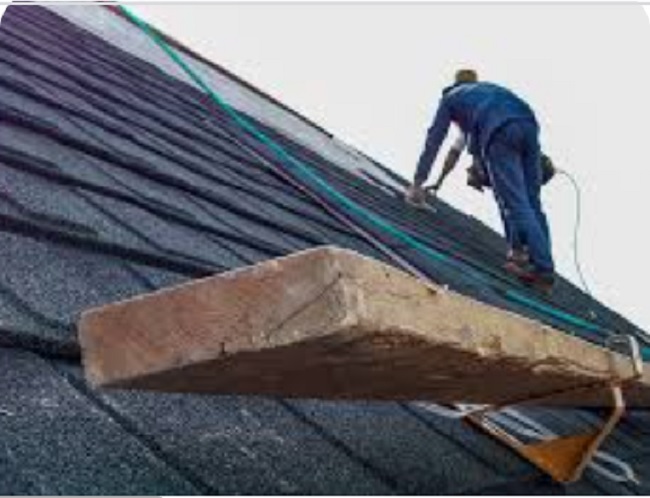
Roof Bracket/Staging
Common Mistakes To Avoid
Choosing the right accessories for roof brackets and staging is important for safety. Many people make mistakes that can cause accidents or damage.
Knowing what to avoid helps keep your work secure and your equipment in good condition.
Overloading Brackets
One common mistake is putting too much weight on roof brackets. Overloading can cause the brackets to bend or break.
Always check the weight limits for your brackets and staging accessories. Use only the recommended load to keep everything safe.
- Do not add extra tools or materials beyond the bracket’s limit
- Distribute weight evenly across all brackets
- Use stronger brackets if you need to carry heavier loads
Ignoring Manufacturer’s Instructions
Many accidents happen because users ignore the instructions from the manufacturer. These instructions are made for your safety.
Follow the guide for installation, weight limits, and maintenance. Ignoring these rules can cause accidents or damage to your roof.
- Read all instructions before using brackets or staging
- Use only recommended parts and accessories
- Check for updates or changes in the manufacturer’s guidelines
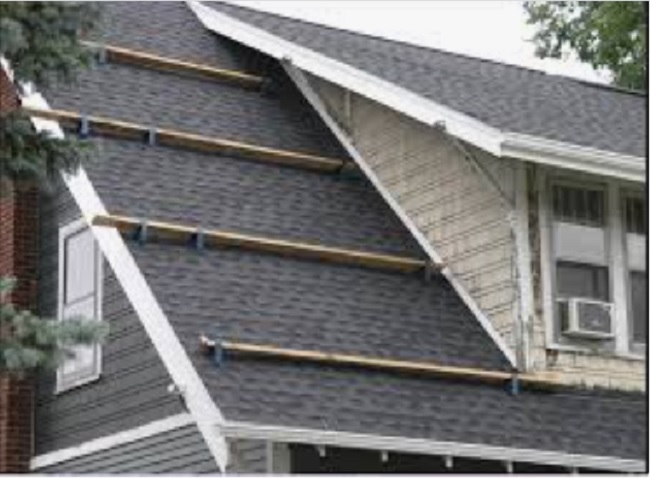
Roof Bracket or Staging
Frequently Asked Questions
What Factors Determine The Best Roof Bracket Accessories?
Choose accessories based on roof type, load capacity, and safety features. Ensure compatibility with your staging system. Prioritize durability and ease of installation for effective use.
How To Ensure Safety With Roof Staging Accessories?
Select accessories that meet industry safety standards. Check for secure attachment points and non-slip surfaces. Regularly inspect equipment for wear and damage before use.
Which Materials Are Ideal For Roof Bracket Accessories?
Look for accessories made from steel or aluminum. These materials offer strength, corrosion resistance, and lightweight properties. Quality materials increase longevity and reliability on job sites.
Can Roof Bracket Accessories Fit All Roof Types?
Not all accessories suit every roof. Confirm compatibility with your roof’s slope and material. Custom or adjustable accessories may be needed for unique roof designs.
Conclusion
Choosing the right accessories makes the roof bracket and staging work safer. Think about strength, size, and fit before buying. Good quality parts help keep you steady and avoid accidents. Don’t rush the choice; take time to compare options. A smart pick saves time and effort on the job.
Stay safe and work well with the right gear. Simple steps lead to better results every time.