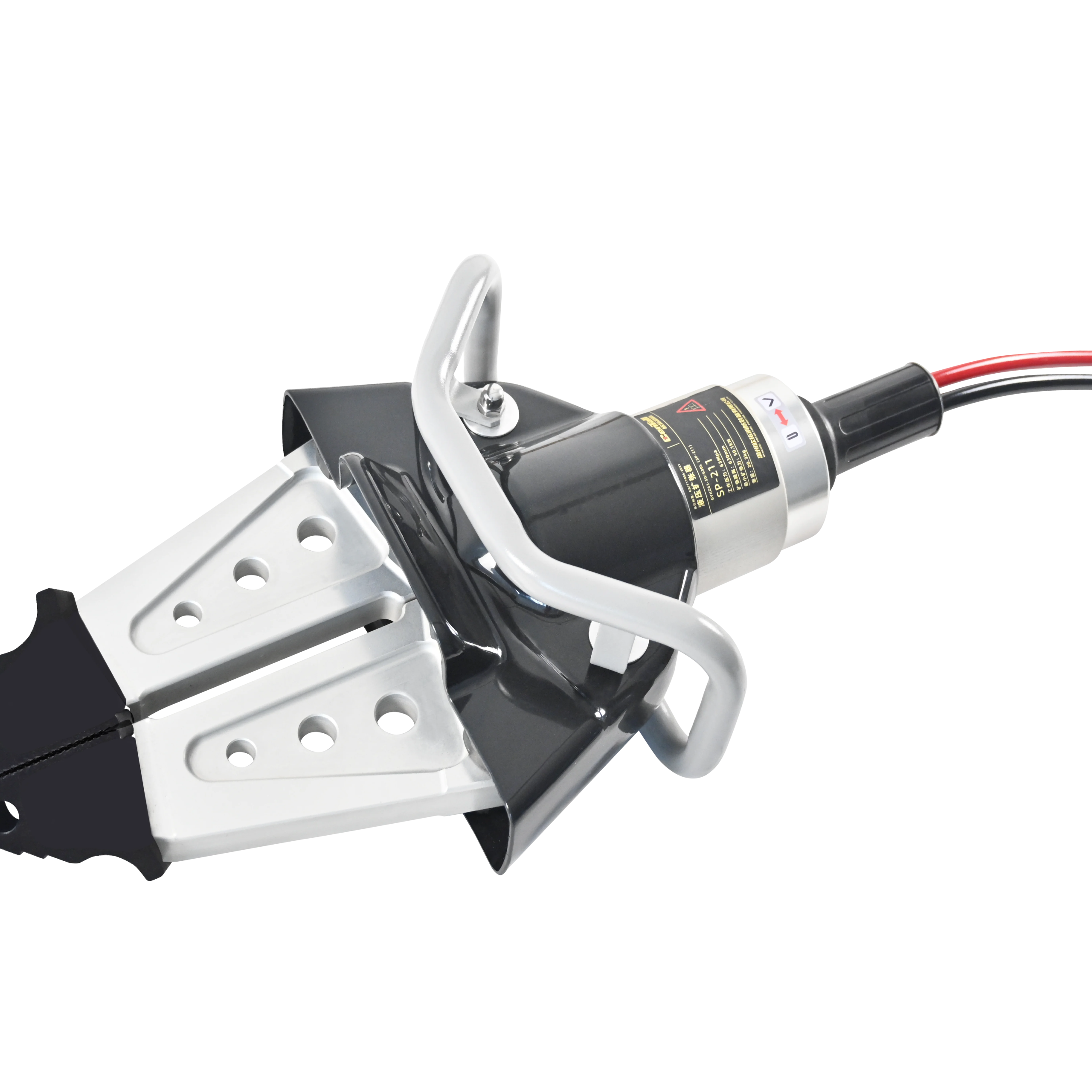
Are you struggling to keep your care schedule on track? Imagine having a tool that makes your tasks faster, safer, and more efficient.
Using a hydraulic spreader/cutter can transform the way you handle tough jobs, giving you better control and saving you valuable time. You’ll discover how this powerful tool can improve your care routine and make your work easier. Keep reading to learn how to get the most out of your care schedule with a hydraulic spreader/cutter.
Benefits Of Hydraulic Spreader/cutter
Hydraulic spreaders and cutters improve rescue and maintenance tasks. They offer strong power and control for heavy-duty jobs.
These tools help workers perform tasks safely and efficiently. Their design suits many industries and emergency services.
Enhanced Precision
Hydraulic spreaders and cutters provide precise control in tight spaces. This precision reduces damage to surrounding areas.
Users can apply exact force needed for the job. This accuracy helps avoid mistakes and increases safety.
Time-saving Features
These tools complete jobs faster than manual methods. Their hydraulic power cuts and spreads materials quickly.
- Fast cutting reduces operation time.
- Spreading opens spaces quickly for access.
- Lightweight design allows easy handling.
- Minimal effort lowers user fatigue.
Versatility In Applications
Hydraulic spreaders and cutters work in many fields. They are useful in rescue, construction, and automotive repair.
| Application | Use Case |
| Emergency Rescue | Free trapped victims by cutting metal. |
| Construction | Separate joined materials safely and fast. |
| Automotive Repair | Remove damaged parts with precision. |
| Industrial Maintenance | Access tight spots by spreading materials. |

Credit: tcprosper.en.made-in-china.com
Key Features To Consider
Choosing the right hydraulic spreader or cutter is important for better care and efficiency. These tools help with rescue and repair tasks. Understanding key features can help you pick the best option.
Focus on power, ease of use, and safety to ensure the tool meets your needs. These features affect how well the tool performs and how safe it is to operate.
Power And Performance
Power and performance determine how quickly and effectively the tool works. Look for a model with strong cutting and spreading force. Check the hydraulic pressure and flow rate. These numbers show the tool’s strength.
- High hydraulic pressure for strong cutting force
- Fast cycle time to save time during use
- Durable materials for long-lasting performance
- Compatibility with different vehicles or equipment
Ease Of Use
Ease of use is key for quick and safe operation. Look for lightweight tools with ergonomic handles. Controls should be simple and responsive. Consider the weight and balance for less fatigue.
| Feature | Benefit |
|---|---|
| Lightweight design | Reduces user fatigue |
| Ergonomic handles | Improves grip and comfort |
| Simple controls | Speeds up operation |
| Quick setup | Saves time in emergencies |
Safety Mechanisms
Safety features protect the user and others nearby. Look for tools with built-in pressure relief valves. These prevent overload. Non-slip grips and shields help avoid injuries. Check if the tool has an automatic shutoff system.
- Pressure relief valves to avoid accidents
- Non-slip handles for better control
- Protective shields to block debris
- Automatic shutoff to prevent overheating
Optimizing Care Schedules
Using a hydraulic spreader or cutter needs careful planning. Good care schedules keep the tools working well.
Planning care times helps avoid breakdowns and extends the tool’s life.
Assessing Equipment Needs
Check what type of hydraulic spreader or cutter you have. Know its size and power.
Look at how often you use the tool and the tasks it does. This shows how much care it needs.
- Identify the model and specifications
- Note daily or weekly usage
- Understand the work environment
- Check if extra accessories are used
Routine Maintenance Tips
Clean the hydraulic spreader or cutter after each use. Dirt can cause damage.
Check fluid levels and refill if needed. Lubricate moving parts to keep them smooth.
- Wipe off dirt and debris
- Inspect hydraulic fluid and top up
- Oil moving joints and blades
- Tighten loose bolts or screws
Scheduling Regular Inspections
Set fixed dates to inspect the equipment deeply. Look for leaks or worn parts.
Keep a record of each inspection to track problems early and plan repairs.
- Inspect seals and hoses for leaks
- Check blades for sharpness and damage
- Test pressure and control functions
- Document findings and actions taken
Credit: www.alibaba.com
Training And Skill Development
Using a hydraulic spreader and cutter requires proper training. Skilled operators can handle tools safely and quickly.
Training helps workers improve their technique. It reduces accidents and ensures better care schedules.
Operator Training Programs
Training programs teach operators how to use hydraulic spreaders and cutters correctly. They cover tool handling and maintenance.
Programs often include hands-on practice and safety lessons. This helps workers gain confidence and skill.
- Basic tool operation
- Proper positioning and control
- Routine tool checks
- Emergency procedures
Continuous Skill Enhancement
Skills can get rusty without practice. Regular training keeps operators sharp and efficient.
Continuous learning introduces new techniques and tool updates. It helps maintain high care standards.
- Refresher courses
- Advanced handling techniques
- Tool upgrade training
- Feedback and performance reviews
Safety Protocols
Safety is critical when using hydraulic tools. Operators must follow strict safety rules to avoid injuries.
Protocols include wearing protective gear and proper tool inspection. They help prevent accidents and tool damage.
- Wear gloves and eye protection
- Check tools before each use
- Use tools only for intended tasks
- Report any faults or damage immediately
Choosing The Right Equipment
Using a hydraulic spreader or cutter helps rescue teams work faster and safer. Picking the right tool is important for better care and quick results.
Different models offer various features. You must think about your needs and conditions before buying one.
Evaluating Different Models
Look at the size, weight, and power of each model. Some tools are easier to carry and use in tight spaces.
Check if the spreader or cutter works with your existing equipment. Compatibility saves time and effort during emergencies.
- Power output for quick cutting or spreading
- Weight for easy handling
- Durability for tough conditions
- Compatibility with other rescue tools
Considering Budget Constraints
Set a clear budget before choosing equipment. Good tools can be expensive but are worth the cost for safety.
Look for models that give the best value. Sometimes mid-range tools offer needed features without extra cost.
- Compare prices across brands
- Check warranty and service options
- Think about long-term maintenance costs
Reading User Reviews
User reviews give real feedback about the tools. They help you know the strengths and weaknesses of each model.
Focus on comments about reliability, ease of use, and performance. These points affect daily rescue work.
- Look for consistent positive feedback
- Check for common problems or complaints
- See how the tool performs in real situations
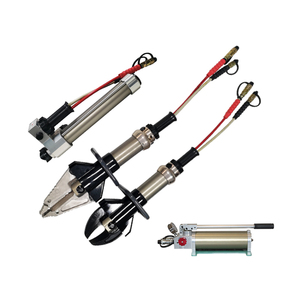
Credit: www.alibaba.com
Common Mistakes To Avoid
Using a hydraulic spreader or cutter can improve care schedules. These tools help rescue teams work faster and safer. Avoid mistakes that reduce their effectiveness.
Knowing what not to do helps keep the equipment working well. It also protects the operator and those needing help.
Ignoring Maintenance
Regular maintenance keeps hydraulic tools in good shape. Ignoring this can cause breakdowns during urgent work. Dirt, leaks, and worn parts reduce tool power.
Check oil levels and clean filters often. Fix small problems before they grow into big ones.
- Inspect hoses for cracks or leaks
- Lubricate moving parts regularly
- Replace damaged seals promptly
- Test tool pressure before use
Overloading Equipment
Using the tool beyond its limit risks damage and injury. Overloading wears out the spreader or cutter fast. It may fail when needed most.
Always follow the manufacturer’s weight and force guidelines. Use the right tool size for each task.
- Check the tool’s maximum cutting or spreading force
- Use smaller tools for light jobs
- Do not force the tool to work harder than designed
- Replace tools that show signs of strain
Neglecting Operator Training
Untrained operators may misuse the hydraulic spreader or cutter. This causes accidents and equipment damage. Proper training improves safety and tool life.
Train every user on safe handling and emergency procedures. Practice with the tool before real use.
- Teach correct grip and control methods
- Explain safety gear and precautions
- Review maintenance checks before use
- Practice on training models or old equipment
Future Trends In Hydraulic Technology
Hydraulic technology is changing quickly. New tools and ideas help improve machines like spreaders and cutters.
These changes aim to make work safer, faster, and more efficient in many industries.
Advancements In Design
Designs of hydraulic spreaders and cutters are getting lighter and stronger. New materials help reduce weight without losing power.
- Use of high-strength alloys
- Compact shapes for easy handling
- Improved seals to prevent leaks
- Better ergonomic grips for users
Integration Of Smart Technologies
Smart systems are added to hydraulic tools. Sensors track pressure and temperature to avoid breakdowns.
| Smart Feature | Benefit |
|---|---|
| Pressure Sensors | Prevent overload and damage |
| Temperature Monitors | Avoid overheating during use |
| Wireless Connectivity | Remote monitoring and control |
| Data Logging | Track tool performance over time |
Sustainability Considerations
Hydraulic tools now focus on saving energy and using eco-friendly fluids. This lowers environmental harm.
- Use of biodegradable hydraulic oils
- Energy-efficient pump designs
- Reduction of waste in manufacturing
- Longer-lasting components to reduce replacements
Frequently Asked Questions
What Is A Hydraulic Spreader/cutter Used For?
A hydraulic spreader/cutter is used for rescue operations. It helps safely open or cut metal structures. This tool aids in quick and efficient extrication of trapped victims.
How Does A Hydraulic Spreader Improve Care Scheduling?
Hydraulic spreaders enable faster emergency response. They reduce the time needed to access patients. This efficiency improves overall care scheduling and patient outcomes.
Can Hydraulic Cutters Handle Heavy-duty Materials?
Yes, hydraulic cutters can cut through strong metals. They are designed for tough materials like car frames. This capability ensures effective rescue in severe accidents.
Why Choose Hydraulic Tools Over Manual Ones?
Hydraulic tools require less effort and increase precision. They deliver stronger force with minimal operator fatigue. This makes rescue tasks safer and quicker.
Conclusion
Using a hydraulic spreader/cutter makes care tasks easier and safer. It saves time and effort during emergencies. You get better control and precision with these tools. Regular use helps maintain equipment and improve response. Simple tools can bring big improvements in care schedules.
Choose the right spreader or cutter for your needs. Small changes can lead to better results every day. Keep safety and efficiency as top priorities always. This approach supports better care and smoother operations.